
Every year more people are diagnosed with asthma but more often than not they get no education about the (sometimes) very complex condition and how best to manage it.
This years topic for World Asthma Day is Asthma Education Empowers.
I often find that people think because I have had asthma for over 35 years that I know everything about asthma and don’t need educating but with severe asthma every day is different and what once was a trigger may not be a trigger all the time and new triggers appear so support and education is key to ensure that people can confidently manage their asthma.
I was reflecting the other week when speaking to one of the MSP’s at the Scottish Parliament on my own experience with asthma education and how it has varied over the years, the MSP Emma has a debate on severe asthma tomorrow and it was great she wanted to speak to someone with severe asthma ahead of it. There has been different levels of support and education I have needed over the years.
In my early years asthma education was around knowing when I needed to take my “blue” inhaler as my parents were in control of making sure I took my preventer morning and night. This initial time was really a big learning curve as I was out on my own deciding when I thought I needed my inhaler which was during school time.
As I grew older it was various learning curves living with severe asthma and never knowing what it was going to be like. Constantly having to justify myself to others made me realise how little is known about severe asthma even to medical professionals which is why asthma education empowers as it not only empowers patients and gives patients confidence but it also gives medical professionals the confidence to treat patients with the disease without getting frustrated and assuming they must not be doing what they are meant to because they are still getting ill.
I look back and it has been frustrating. I recounted the story of when I first became interested in asthma digital tech because I wanted to prove to my Drs that I was doing what I was meant to and was not looking after my asthma. I kept hoping they would understand what was going on and soon they would see that I was telling them the truth. Eventually they saw I was right and I was trying my best but with the type of asthma I had my best would never be good enough and I don’t think ever will be enough but if people can understand this and also help patients with this then quality of life will improve so much.
The single most important thing I think for everyone is to have a quality of life and a life that matters to them in some way or another but often as professionals this gets forgotten about. As professionals (and I count myself in this when I was a nurse) we get focused on an end result of making the patient better but we do not always think about the toll this has on them or the sacrifices of life that they need to make to achieve the goals the Dr or Nurses want for them. Treatment regimes that make the patients life miserable or they are not able to lead they life they would like too. There is always a need to compromise and the patient needs to be included in this as give and take will mean better outcomes.
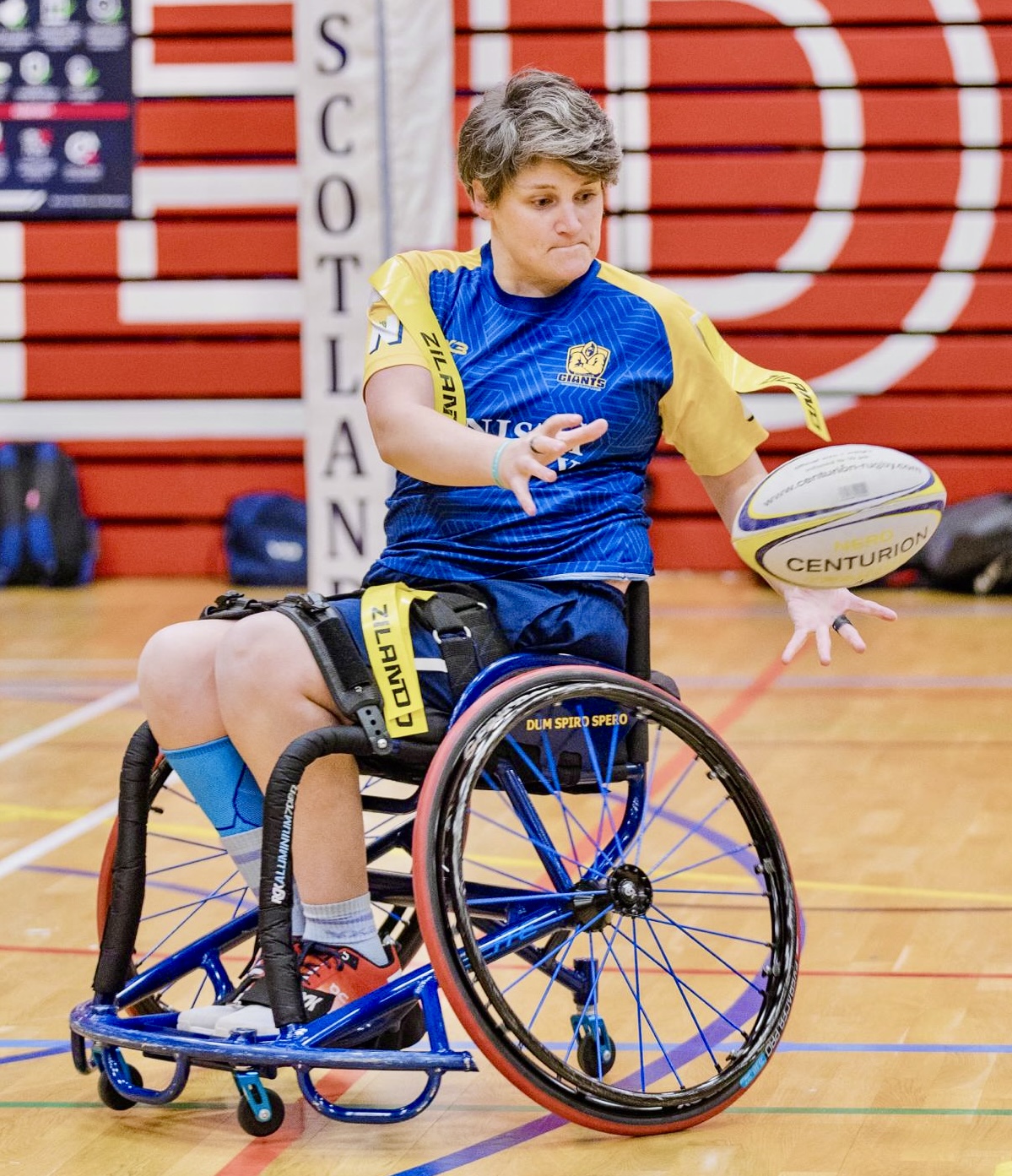
Over the years I have been told so often I need to do X,Y & Z which meant I could not do A, B & C and this never worked. I would look for ways I could try and do both because A, B & C were important to me but no one ever asked me, I was just told what to do. It was not until I had one consultant who actually took interest in me and what mattered to me. We had a long talk about my love of sport, my dreams and aspirations and then he spoke about what his ideal treatment plan would be and how this would impact me. We then had a conversation about compromises and he explained to me how certain things would affect me etc so it was a case of give and take. What I learnt was that for me I was never going to live the life I wanted and if I did try and live the life I wanted I was not going to be able to as I would be constantly in the hospital. Now don’t get me wrong it sucks that everything I do I need to consider my asthma but by considering my asthma and having open communication with my team means I can live the best life I can and do as much as I can within reason and without jeopardising my lungs. I would love it if this was not the case but it is. Everyone at some point in their life will be a patient and will need to deal with tough health stuff and things will come up which means their life takes a different path and having a chronic illness like severe asthma is no different.
I guess what I am trying to say is that education can empower people with asthma but also those looking after people who have asthma. If both get the education then the patients can thrive and do things that they love.

 ANONYMOUS-ASTHMA